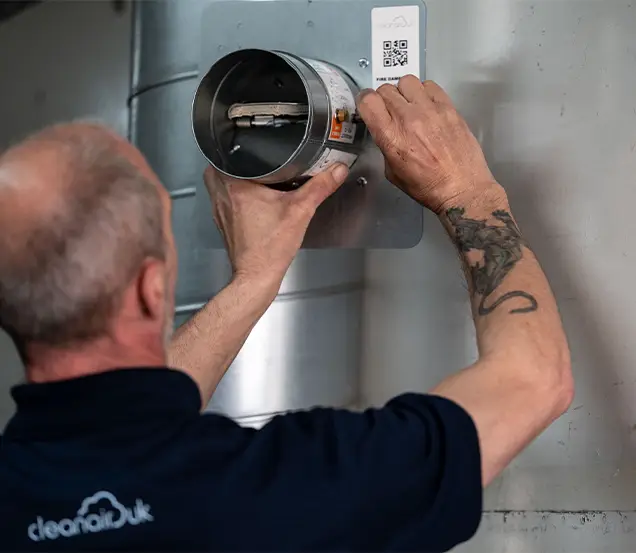
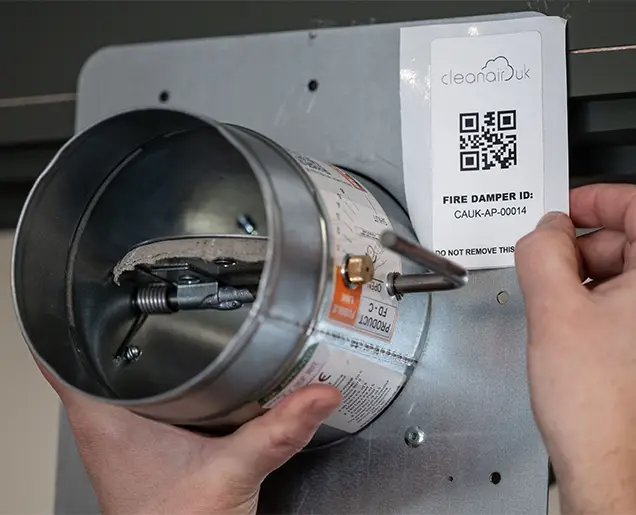
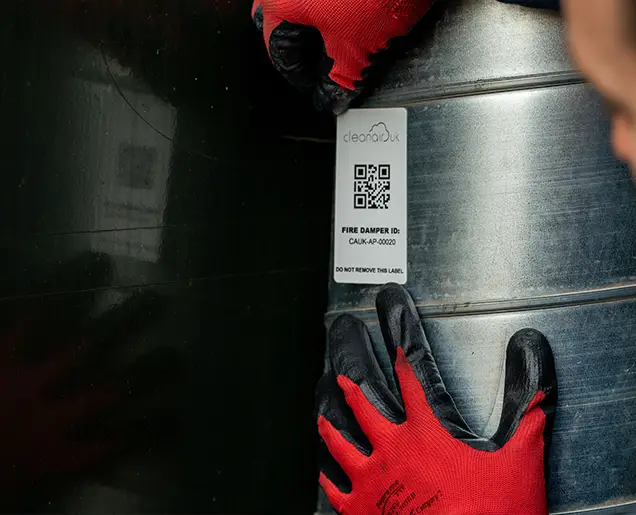
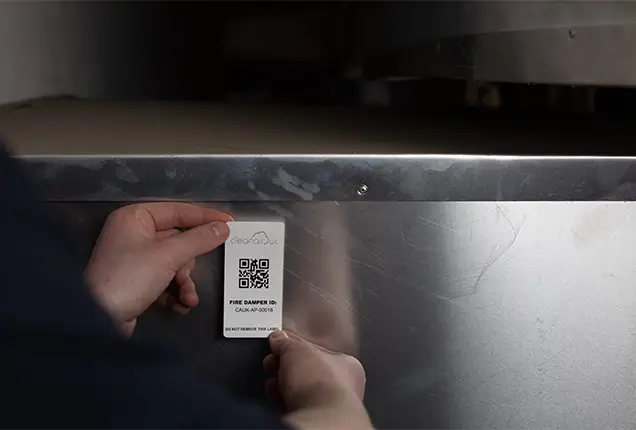
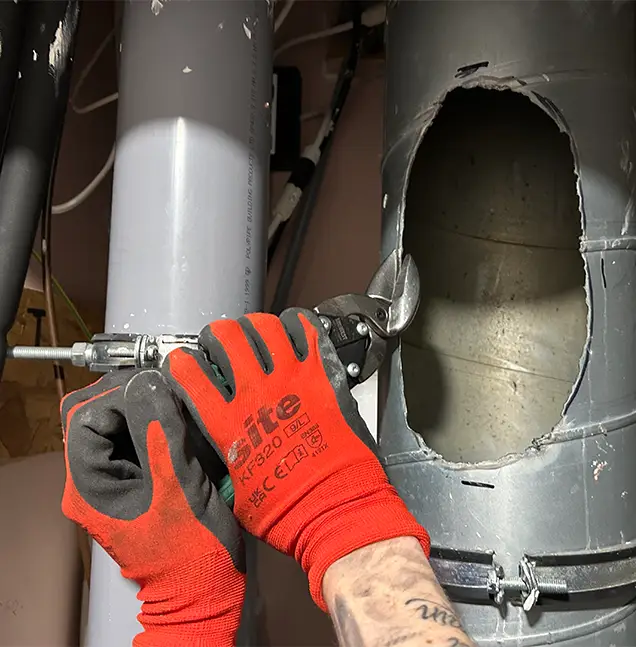
Fire damper testing isn’t optional — it’s a statutory duty. Under the Regulatory Reform (Fire Safety) Order 2005 (RRO), the “responsible person” for a building (typically the owner, employer or managing agent) has a legal obligation to ensure that all fire safety systems, including fire dampers, are maintained in efficient working order. As part of wider fire protection systems, fire dampers play a crucial role in helping limit the spread of fire through ventilation systems, and regular checks are central to meeting legal requirements and ensuring compliance.
This duty is reinforced by several key standards and pieces of guidance:
- Regulatory Reform (Fire Safety) Order 2005: The primary UK legislation placing a legal duty on the responsible person to maintain fire safety systems, including fire dampers, and to keep them in efficient working order.
- BS 9999:2017 (Fire Safety in Design, Management and Use of Buildings): The industry code of practice requiring fire dampers to be tested by a competent person on completion of installation and at intervals not exceeding 12 months, with immediate repair or replacement of any faulty damper.
- Building Regulations 2010, Approved Document B: Sets out fire safety expectations for design, installation and compartmentation, referencing fire dampers as part of protected ductwork.
- BS EN 1366-2, BS EN 13501-3 and BS EN 15650: Harmonised European testing, classification and product standards defining original product fire-resistance performance.
- DW/144 and DW/145 (BESA guidance): Industry technical guidance covering ductwork construction and fire damper inspection categories.
- Fire Safety (England) Regulations 2022: Introduced additional monthly checking duties for higher-risk buildings (18m+ or 7+ storeys).
Failure to test and maintain fire dampers can result in enforcement notices from the fire authority, invalidated insurance, and — in serious cases — prosecution of the responsible person.
Cleanair UK are not solicitors, and this page is intended as general guidance only. Building owners should seek their own legal advice on their specific compliance obligations.